

Wedding Shuttle Service to CJ Country Events | Guest Guide
A practical planning guide for hotel pickups, guest manifests, return waves and airport arrivals.
Price the itinerary, not a guess
Wedding transportation succeeds when guests barely have to think about it. They receive one clear instruction, reach the venue before the ceremony and know how they are getting back. At CJ Country Events, outside Guelph, that simple guest experience depends on careful work behind the scenes. This guide shows couples and planners how to build it without inventing venue rules or relying on hopeful timing.
$175/hr. Plus 13% HST and 15% to 20% gratuity.
$195/hr. Plus 13% HST and 15% to 20% gratuity.
GTA references only. Exact Rockwood service is quoted by distance and itinerary.
Need a shorter enquiry route? Review the quote request page.
Start with the guest list, not the vehicle
The useful first count is not simply the number of invitations. It is the number of people who need a ride, where they will be before the event, whether they carry luggage, and when they must leave. A couple may have fifty guests but only twenty who need transportation. A company may have twelve people arriving on three flights. Those are different jobs. Chauffeuropolis builds the plan around confirmed riders and actual addresses, then selects vehicles. That order protects the schedule and keeps clients from paying for the wrong capacity.
Create one transportation list with each rider’s pickup area, mobile number, accessibility note, luggage count and return preference. Keep social details elsewhere. The transportation list should answer operational questions quickly without exposing unnecessary information. Name one organizer who can approve changes and one backup contact who will be present. When updates come from several relatives, planners or department heads, conflicting instructions become the main risk. A single decision path keeps the vehicle team working from the same version.
Freeze the main rider count before final dispatch planning, while keeping a small and clearly priced method for late additions. A late guest can often be absorbed when the group has spare seats, but luggage and pickup geography can change that answer. Never promise the spare seat before the complete manifest is checked. For CJ Country Events, the fixed quote is confirmed from the itinerary because the venue is outside the GTA. Public hourly figures are reference points, not a substitute for that quote.
For wedding guest transportation, the organizer should decide what success means before choosing a vehicle. That may be every guest seated before a ceremony, an executive group arriving together, or airport travellers joining a hotel departure. Write that outcome at the top of the itinerary. Each pickup, buffer and return decision can then be tested against it. This keeps attractive but unnecessary additions from crowding the core movement.
Build the itinerary backwards
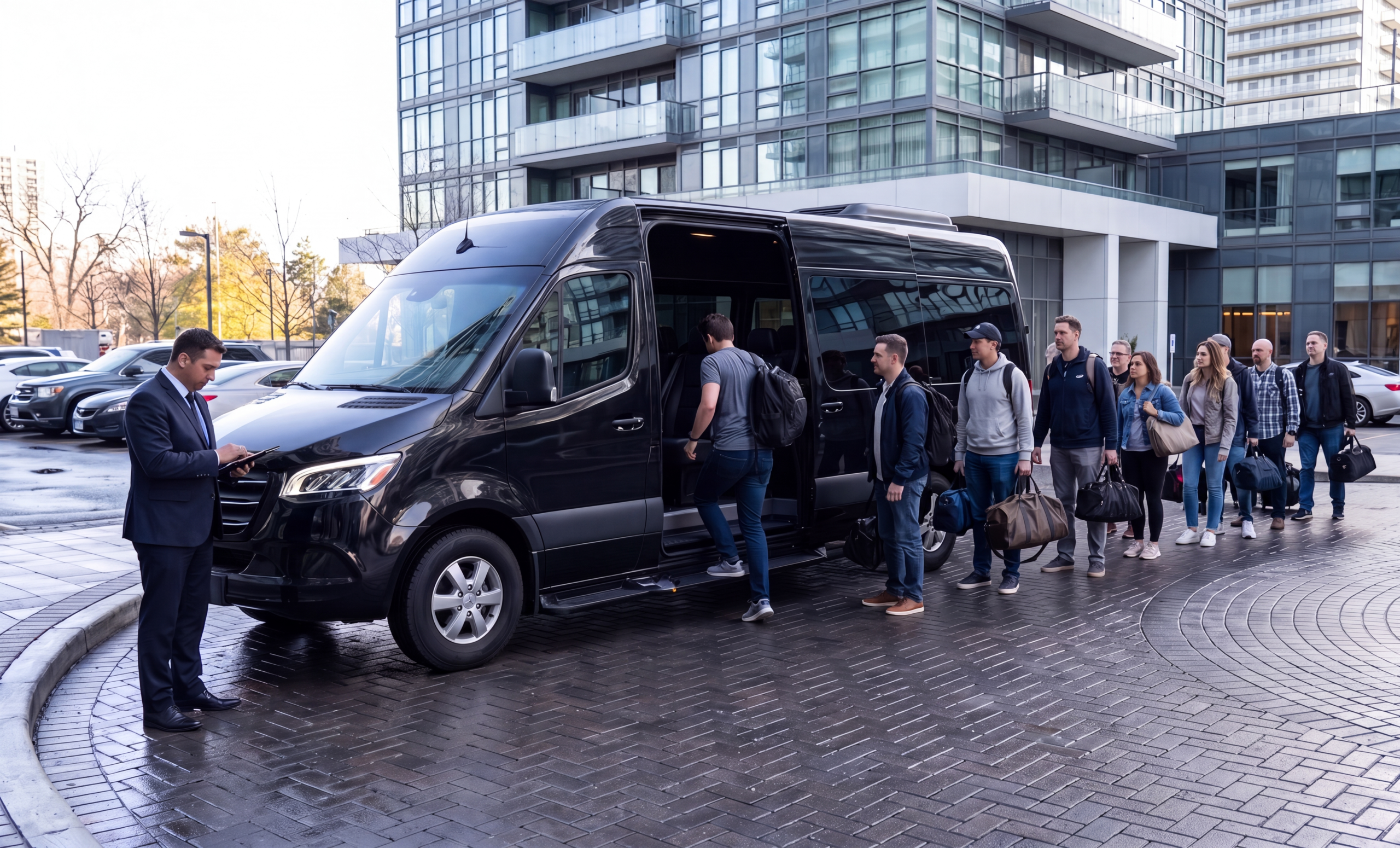
Work backwards from the moment guests should be settled at CJ Country Events. The plan needs time for boarding, a final passenger check, ordinary traffic variation and the walk from the drop point to the event area. Chauffeuropolis does not publish a promised travel time for this venue because origin, date, road conditions and stop pattern change the trip. The confirmed itinerary records pickup windows and dispatch instructions instead of pretending every Saturday follows the same clock.
The return should be designed at the same time as the arrival. A single late departure may suit a compact group. Wedding guests, corporate attendees and mixed age groups often need an earlier return plus a final departure. The right answer depends on where people are sleeping and how many riders genuinely want each window. A loop can work well when hotels are concentrated, but a long scattered loop can leave guests sitting in a vehicle while the event continues.
Write every stop as a full civic address and label its function. Hotel lobby, private residence, airport terminal and venue are not interchangeable pickup instructions. Add the organizer’s preferred contact method, any flight number, the group name guests will recognize and the rule for a rider who is late. This document becomes the trip sheet. It is much more valuable than a loose message thread because the chauffeur, dispatcher and organizer can all verify the same sequence.
A strong wedding guest transportation plan also has a fallback that remains truthful and bookable. Keep the backup narrow: a secondary contact, a documented late passenger rule, and authority to approve an added movement if the original pattern breaks. Do not promise that every disruption can be absorbed at no cost. The useful promise is that responsibility and communication are clear when a decision must be made.
Choose capacity with luggage in the room
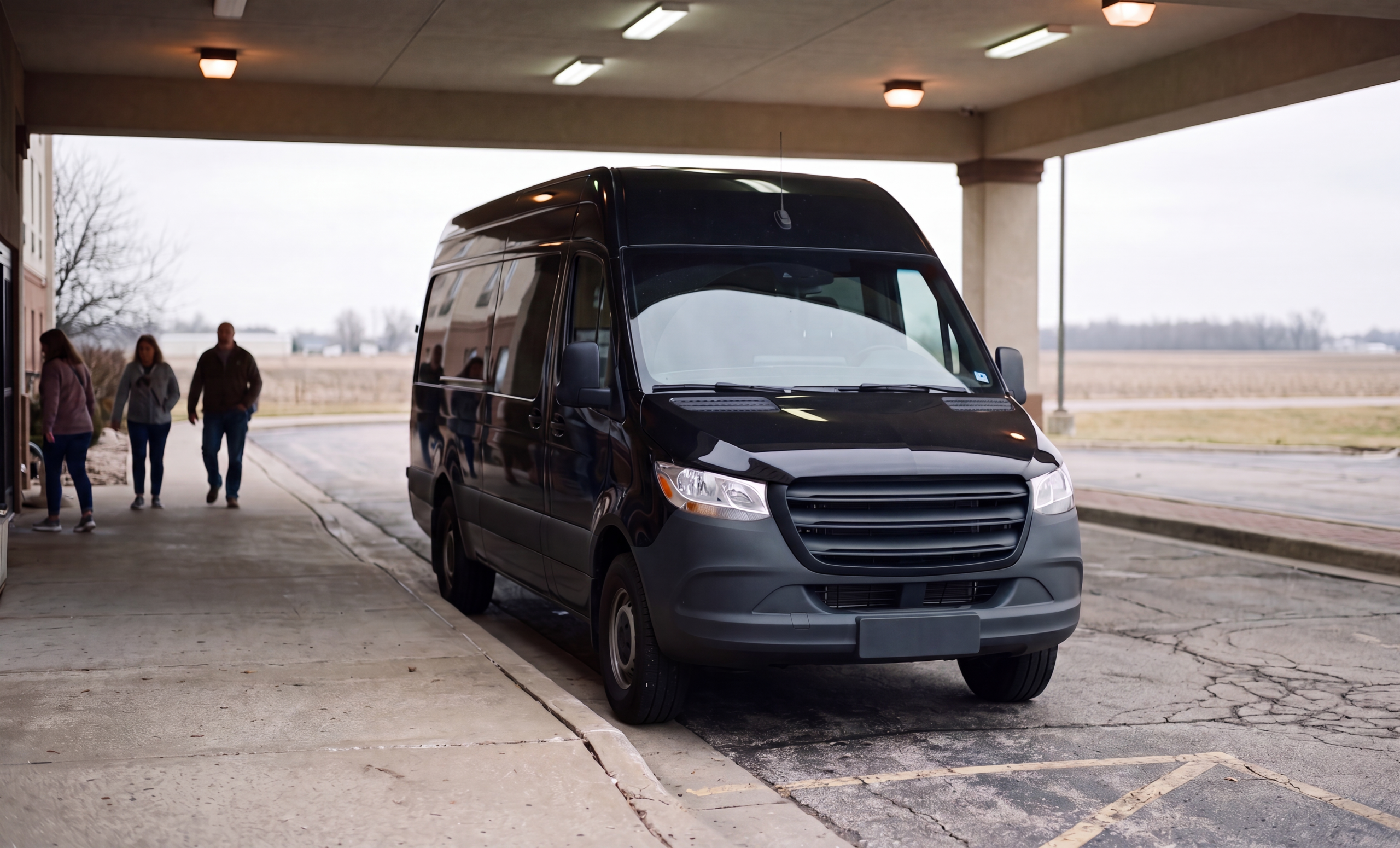
Published passenger capacity is only the first screen. A Regular Mercedes Sprinter is listed for up to fourteen passengers and fourteen suitcases. The Executive Sprinter is also listed for fourteen passengers and fourteen suitcases. The LUX Sprinter is listed for ten passengers and six suitcases. Those numbers help narrow the fleet, but bulky dresses, presentation equipment, strollers, gifts and unusual bags still belong in the quote request. Tell the transport team what the group is bringing before a vehicle is assigned.
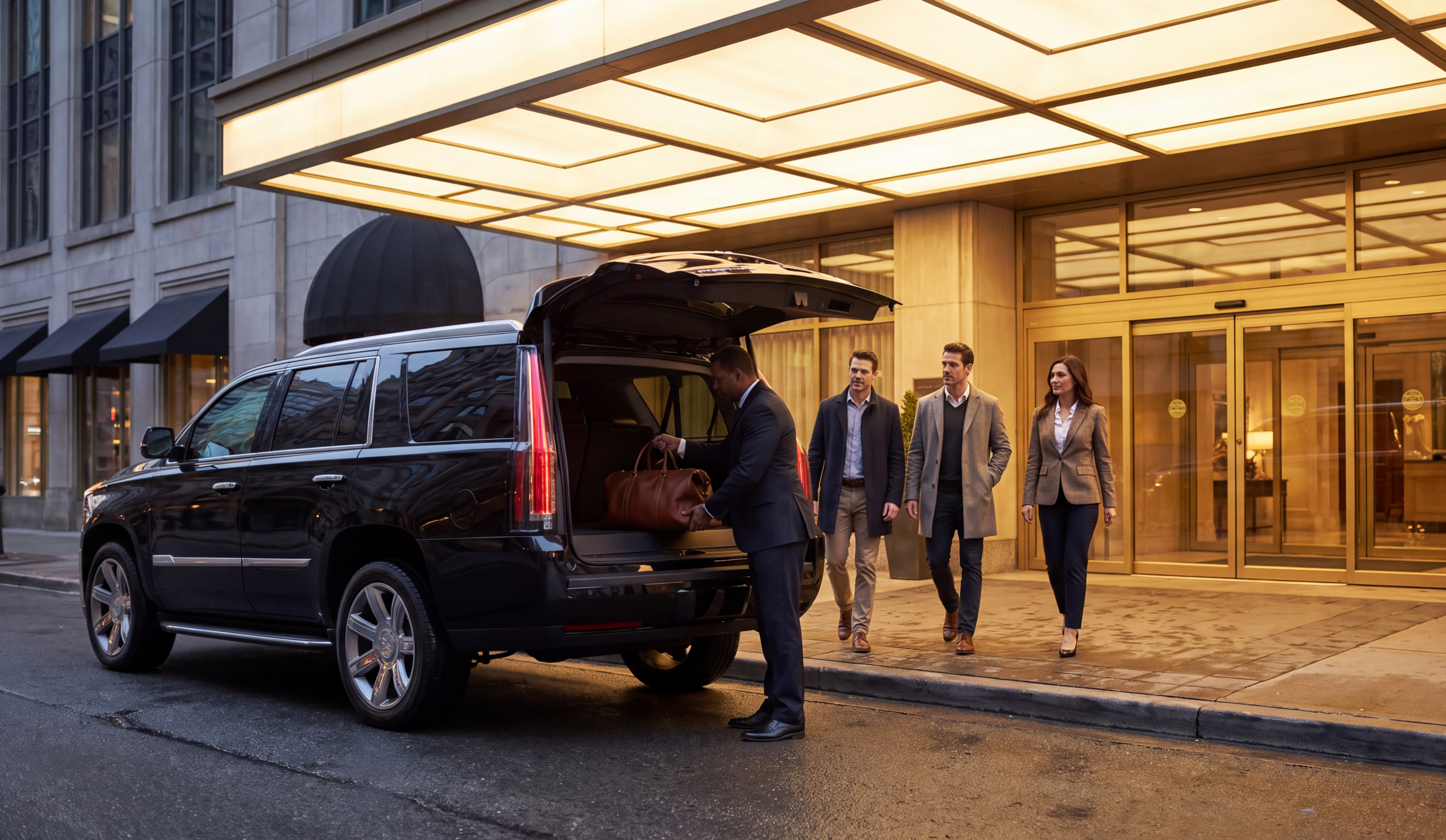
Sport utility vehicles fit smaller movements and executive arrivals. The public fleet lists the Cadillac Escalade for six passengers and five suitcases, the Lincoln Navigator for seven passengers and six suitcases, and the GMC Yukon or Suburban for six passengers and five suitcases. Full seating can be a poor practical choice when every rider has a large bag. For airport groups, calculate people and luggage together. For local wedding guests, calculate attire, mobility and how quickly everyone can board.
Larger groups may need a twenty seven seat mini coach or a coach carrying up to fifty six passengers. One large vehicle can simplify communication, while several smaller vehicles can serve different hotels or return times. Neither pattern wins automatically. The best plan uses the fewest moving parts that still respect the geography and schedule. A fixed quote can compare those patterns before the client commits, including the effect of waiting time, extra stops and separate return waves.
After the trip, keep the final itinerary and the actual rider pattern. That record makes future wedding guest transportation easier to quote and exposes where people changed their plans. For a business, it can support repeat events. For a couple or planner, it provides a clean reference for related family movements. Store only the operational details that remain useful and handle guest information with care.

Make pickup instructions impossible to misunderstand
A guest should know the vehicle type, pickup address, meeting point, boarding window and contact number before leaving home. Avoid vague directions such as meet outside. A hotel may have several doors and an airport has several zones. Use a named entrance or a location the property recognizes. If the group has an event planner, hotel coordinator or family captain, send the final wording to that person first and then distribute the approved version without edits.
Number the stops and give each one a captain. The captain is not expected to manage the whole trip. That person confirms whether the local riders are present and tells dispatch about an absence. This small assignment prevents the chauffeur from searching a lobby for someone whose phone is silent. For a wedding, choose calm people who are not in the ceremony party. For a company event, use team leads who already know their attendees.
The vehicle should not become the place where the schedule is negotiated. Set a waiting rule before the day and communicate it kindly. A late guest can affect the ceremony, meal service, speeches or a return window for everyone else. The organizer decides the policy; the transportation team follows it. Record any approved change through the central contact so that a message to one chauffeur does not quietly create a different plan from the dispatch sheet.
For wedding guest transportation, the organizer should decide what success means before choosing a vehicle. That may be every guest seated before a ceremony, an executive group arriving together, or airport travellers joining a hotel departure. Write that outcome at the top of the itinerary. Each pickup, buffer and return decision can then be tested against it. This keeps attractive but unnecessary additions from crowding the core movement.
Coordinate Toronto Pearson arrivals
Airport transportation needs flight details, not just a requested pickup hour. Provide the airline, flight number, arrival date, terminal if known, passenger mobile number and luggage count. Flight monitoring can guide dispatch, but it cannot predict how long every traveller will take through baggage claim or border processing. Groups arriving on different flights may need separate pickups, a meeting window, or one vehicle held for a defined consolidation period.
A consolidation plan saves vehicle movements only when arrivals are reasonably close and passengers understand the meeting rule. If one flight is badly delayed, the organizer needs a preselected choice: hold the group, send the first vehicle, or authorize another movement. That decision carries cost and schedule consequences, so settle authority before travel day. Chauffeuropolis can quote the intended pattern and price any material change according to the actual service required.
For return flights, work backwards from the airline’s recommended airport arrival time and add the road journey, boarding, hotel stops and group check. Do not rely on a venue departure guess. Early flights may justify an earlier dedicated vehicle rather than forcing all guests onto one schedule. Give each traveller the confirmed departure instruction in writing, especially when the event continues after some airport bound guests have left.
A strong wedding guest transportation plan also has a fallback that remains truthful and bookable. Keep the backup narrow: a secondary contact, a documented late passenger rule, and authority to approve an added movement if the original pattern breaks. Do not promise that every disruption can be absorbed at no cost. The useful promise is that responsibility and communication are clear when a decision must be made.
Plan Guelph and hotel shuttle loops
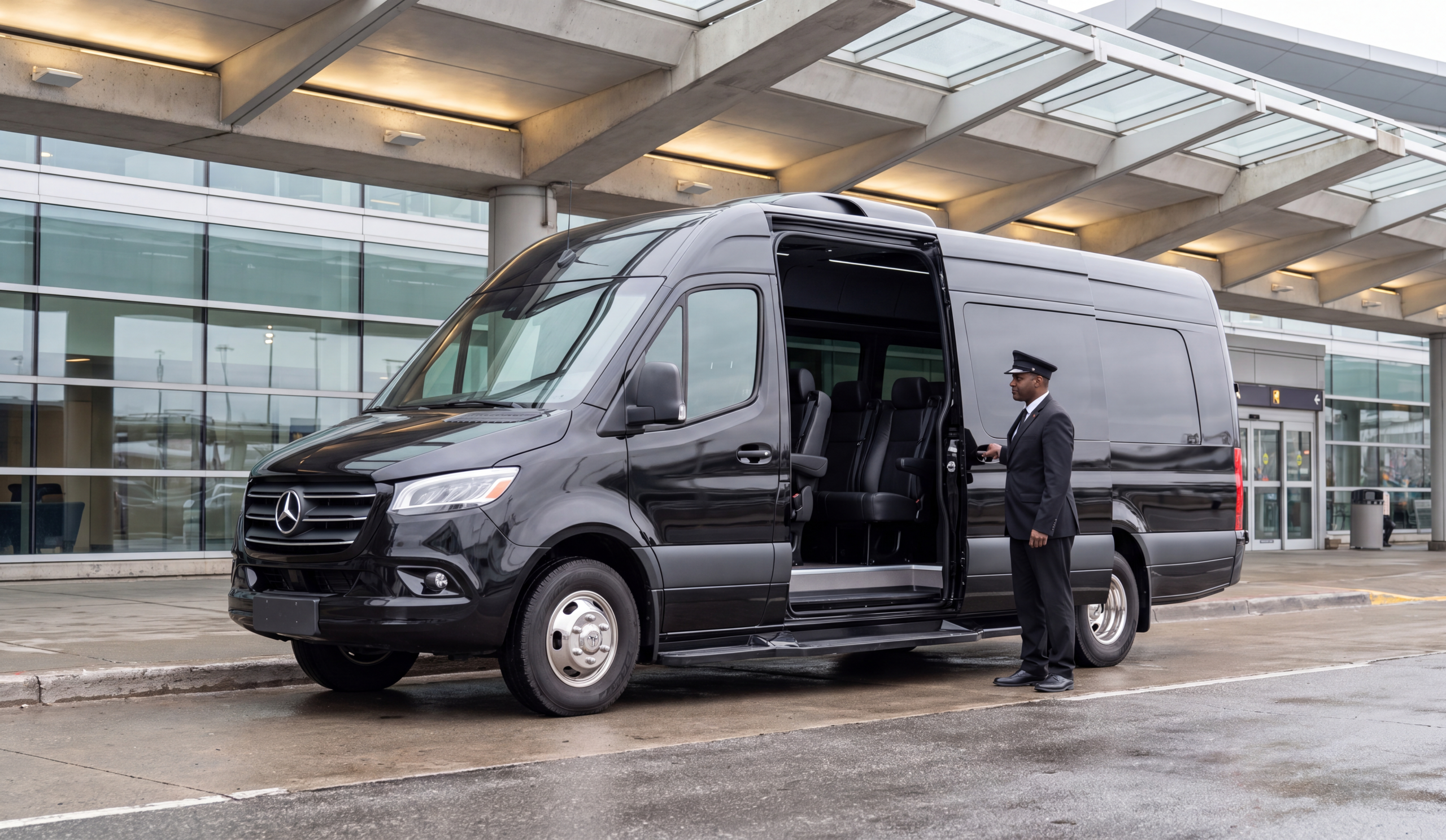
Guelph can function as a practical collection area when several guests stay near one another. The gain comes from concentrated stops, not from the word shuttle itself. Two hotels on opposite sides of the city can create a long loop. Map the actual addresses, count riders at each property and compare one loop with separate vehicles. The quote should reflect the chosen stops and timing rather than a generic zone assumption.
A loop needs a published boarding window and a final departure time from each stop. Guests should understand whether the vehicle will make another pass. Without that information, people wait in the wrong place or assume a missed vehicle will return immediately. A planner can place the schedule in the wedding website, event email and hotel welcome note. Use identical wording in all three places so an old version does not survive in one channel.
Return loops deserve extra care because guest demand changes during an event. Ask for an early interest count, then confirm closer to service. One smaller early vehicle and one final larger vehicle may be cleaner than running repeated empty trips. The plan should also identify where riders are going after the event. A return to one Guelph hotel is different from individual residential drops throughout the region.
After the trip, keep the final itinerary and the actual rider pattern. That record makes future wedding guest transportation easier to quote and exposes where people changed their plans. For a business, it can support repeat events. For a couple or planner, it provides a clean reference for related family movements. Store only the operational details that remain useful and handle guest information with care.
Protect the event timeline
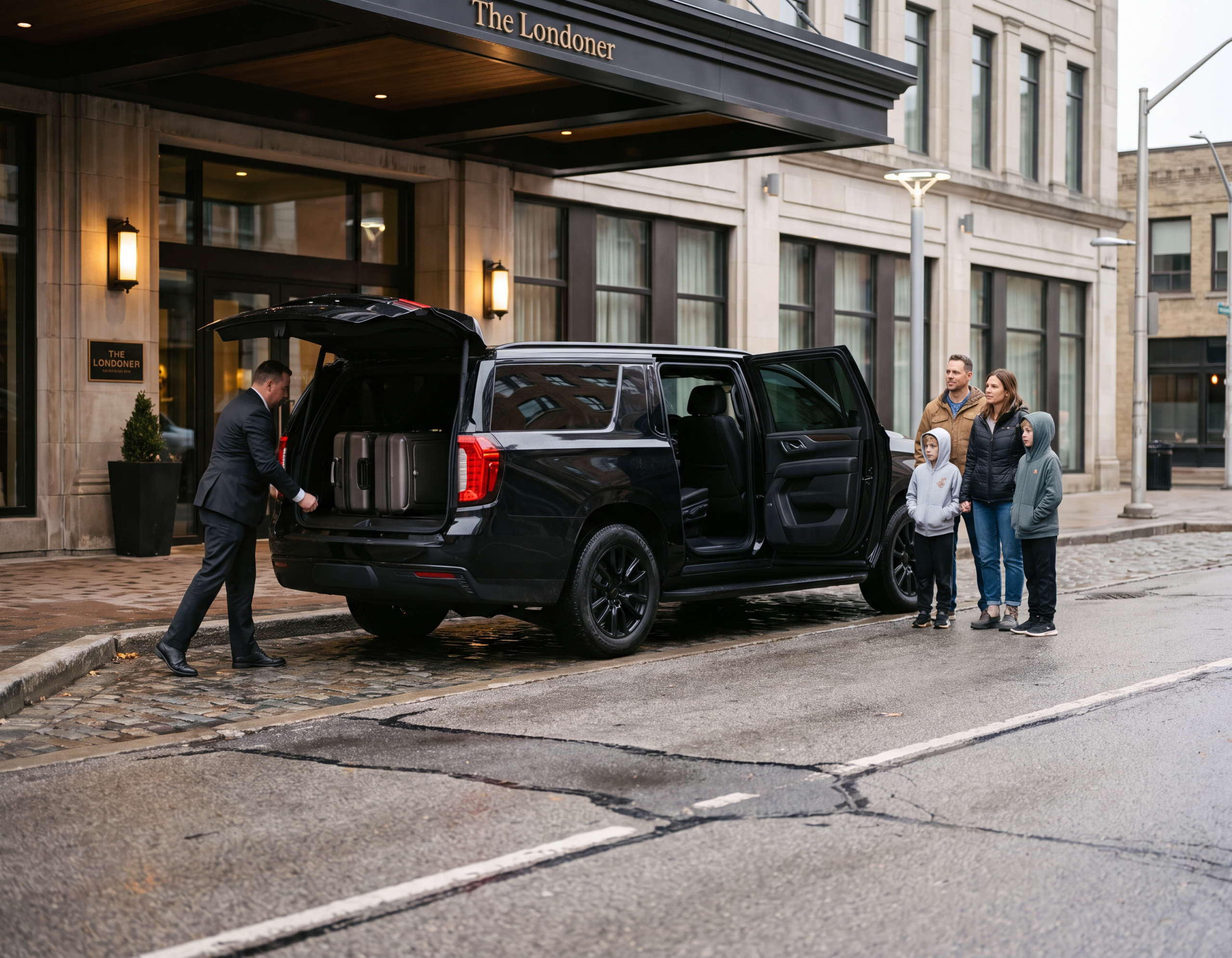
Transportation touches more than arrival. The venue, planner, catering team, photographer, speakers and entertainment may all depend on guests being present. Share the confirmed arrival target with the person running the event, then let that person set the internal sequence. Chauffeuropolis manages the road movement and does not invent venue procedures. CJ Country Events should confirm any property specific access, unloading or staging instructions directly.
Build a buffer for realities that can be anticipated, but do not pad the day blindly. Too little margin risks a rushed arrival. Too much margin can leave guests waiting before the host is ready. The useful buffer reflects the pickup pattern, group size, season and event importance. April through December includes very different daylight and weather conditions in Ontario, so the same written plan should still allow dispatch judgment on the day.
Keep a short change log once the itinerary is approved. Record what changed, who approved it and when it was sent. This prevents a familiar problem where a planner updates the return time but a family member still circulates the first version. On the service date, the dispatcher should see the current manifest and the organizer should have the same copy. Clean information is a real part of premium transportation.
For wedding guest transportation, the organizer should decide what success means before choosing a vehicle. That may be every guest seated before a ceremony, an executive group arriving together, or airport travellers joining a hotel departure. Write that outcome at the top of the itinerary. Each pickup, buffer and return decision can then be tested against it. This keeps attractive but unnecessary additions from crowding the core movement.
Price the complete movement
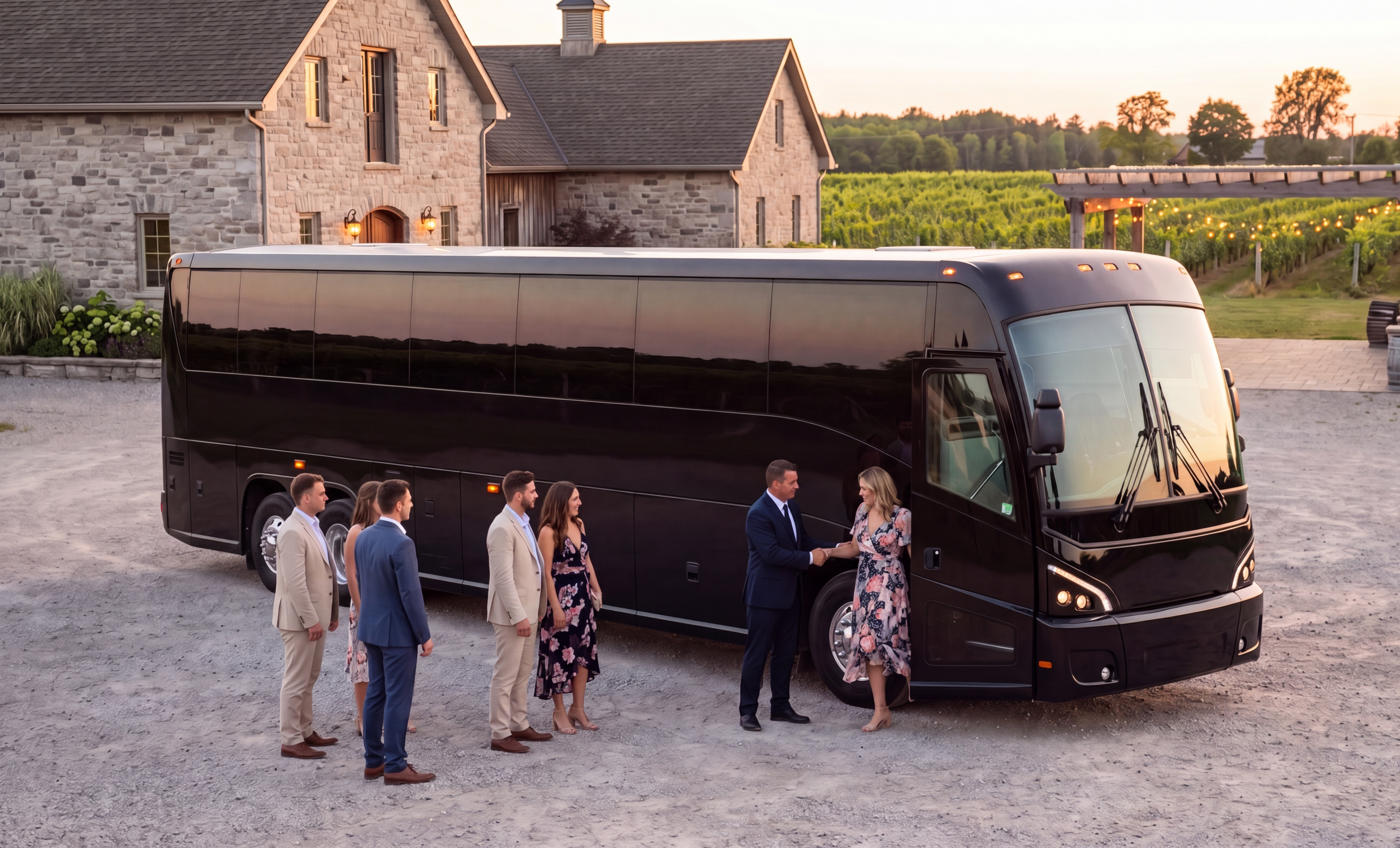
CJ Country Events transportation is quoted from the full itinerary because the venue is outside the GTA. The quote can account for origin, vehicle, service date, pickup pattern, waiting, return plan and any airport component. GTA hourly starting figures can help clients understand the fleet, but they do not create a fixed Rockwood price. Every published reference is plus thirteen percent HST and gratuity of fifteen to twenty percent.
Current GTA references list the Regular Mercedes Sprinter at one hundred seventy five dollars per hour from five hundred twenty five dollars. The Executive Mercedes Benz Sprinter is one hundred ninety five dollars per hour from seven hundred eighty dollars. The LUX Mercedes Benz Sprinter is three hundred dollars per hour from one thousand two hundred dollars. A twenty seven seat mini coach starts from one thousand dollars and a fifty six seat coach starts from one thousand eight hundred dollars. Exact CJ service is confirmed by quote.
For smaller vehicles, public GTA references list the GMC Yukon or Suburban at one hundred thirty five to one hundred sixty five dollars per hour, the Lincoln Navigator at one hundred sixty five dollars per hour, and the Cadillac Escalade at one hundred seventy five dollars per hour from five hundred twenty five dollars. Compare total movement cost, not one hourly number. A vehicle with the wrong capacity or a plan with unnecessary dead time can cost more despite a lower headline rate.
A strong wedding guest transportation plan also has a fallback that remains truthful and bookable. Keep the backup narrow: a secondary contact, a documented late passenger rule, and authority to approve an added movement if the original pattern breaks. Do not promise that every disruption can be absorbed at no cost. The useful promise is that responsibility and communication are clear when a decision must be made.
Know what to confirm with the venue
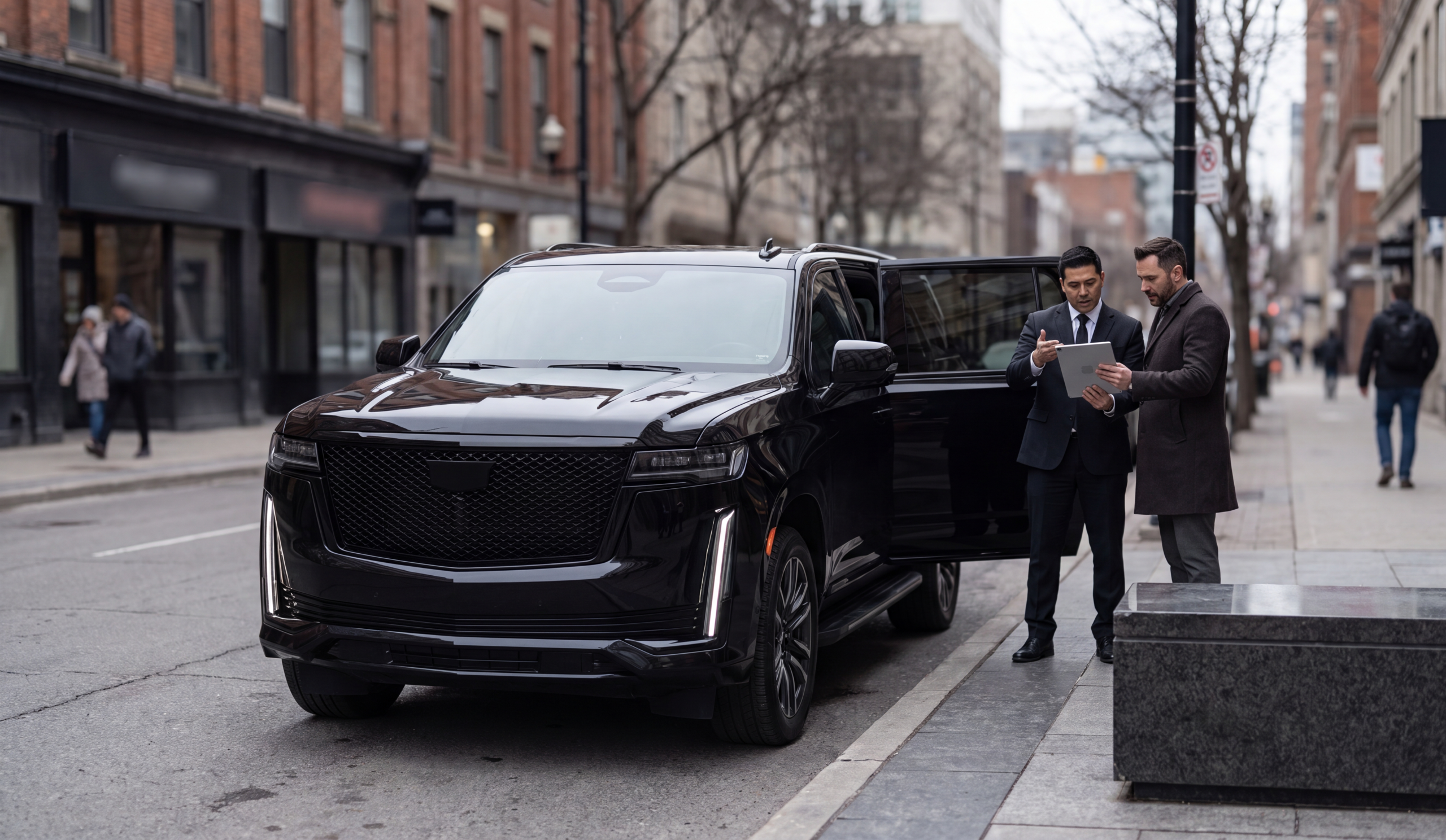
The verified address is 5725 Sixth Line, Rockwood, Ontario N0B 2K0. CJ Country Events describes an elegant country event venue on a horse farm and says its event season runs from April through December. Public material supports weddings and several private event types. It does not give Chauffeuropolis authority to promise vehicle access, parking, holding areas, accessibility or property rules. Those details must come from the venue for the specific date.
Ask the venue or planner where each vehicle should arrive, whether different vehicle sizes use different instructions, when the property is ready to receive guests and who will direct arrivals. If a ceremony and reception use different parts of the property, ask whether guests walk or need another movement. Do not assume a photograph shows the current operating layout. Rural venues can adjust procedures for weather, ground conditions or event setup.
Send confirmed venue instructions to dispatch rather than leaving them inside a long planning email. The trip sheet should contain the useful direction and a venue contact, while the original venue message remains available for reference. If instructions change on the day, the organizer or venue contact should communicate with dispatch. Guests should not individually redirect vehicles based on what they see from a window.
After the trip, keep the final itinerary and the actual rider pattern. That record makes future wedding guest transportation easier to quote and exposes where people changed their plans. For a business, it can support repeat events. For a couple or planner, it provides a clean reference for related family movements. Store only the operational details that remain useful and handle guest information with care.
Create an orderly return
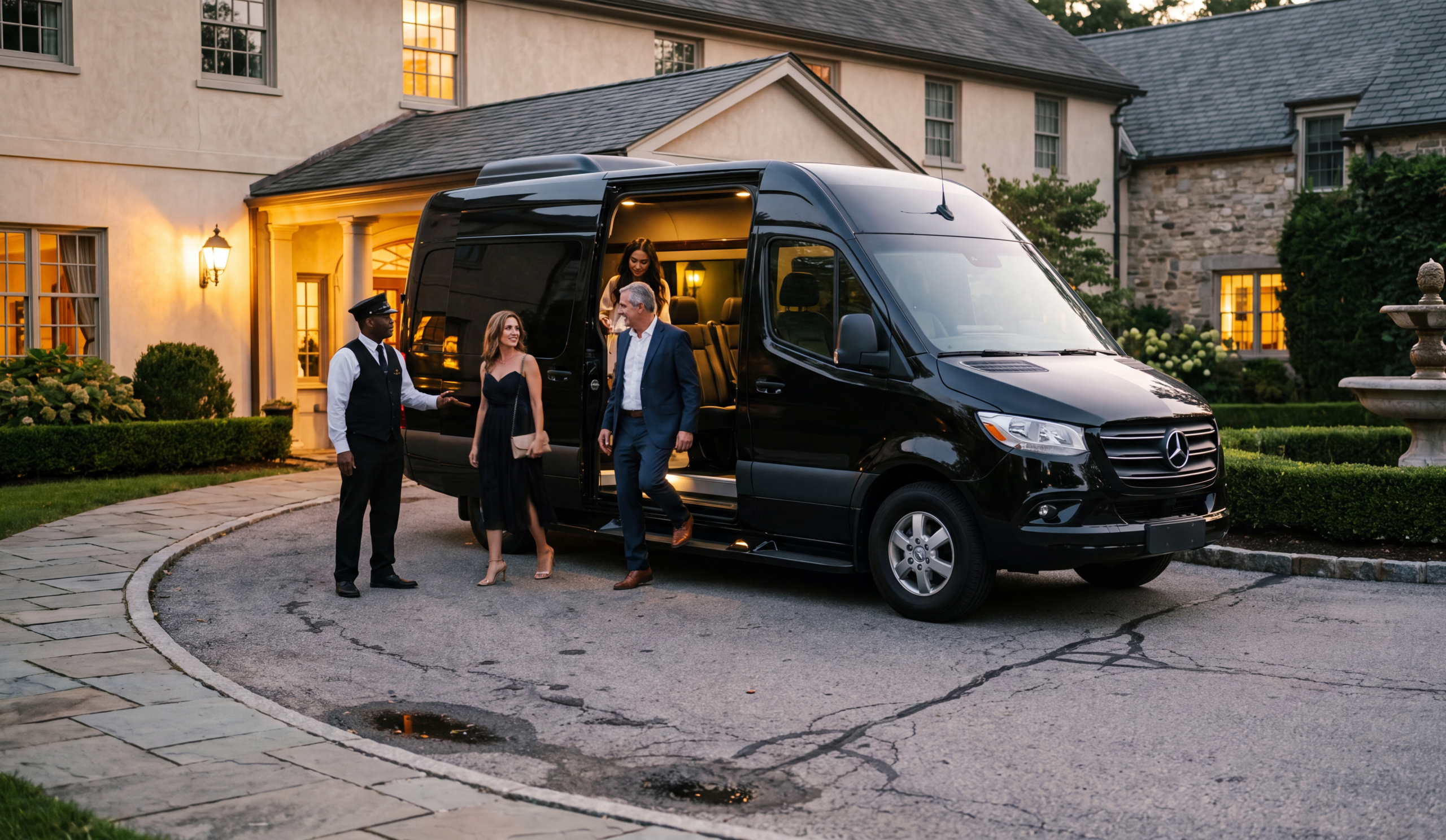
Departure is often harder than arrival because guests do not leave with the same urgency. Announce each return window before the event and again near departure. Give riders a place to gather and a clear closing time for boarding. The host can decide whether an early vehicle waits for every reserved rider or leaves at the published time. That rule should be stated before drinks, speeches and dancing make coordination harder.
Separate luggage from uncertainty. Guests returning directly to an airport may need bags stored at a hotel or carried with them. Confirm that plan in advance. A vehicle that had enough room for local guests may not have enough room when luggage appears at the end of the night. If bags are being collected from a hotel, include that stop and handling time in the itinerary rather than treating it as an informal favour.
The final vehicle should have a reliable passenger check. A named organizer can confirm that expected riders are aboard or have made another arrangement. Chauffeurs should not be asked to search the property without a clear instruction and contact. For multiple destinations, state the drop order in advance. Last minute individual stops can affect duty time, price and every passenger’s arrival.
For wedding guest transportation, the organizer should decide what success means before choosing a vehicle. That may be every guest seated before a ceremony, an executive group arriving together, or airport travellers joining a hotel departure. Write that outcome at the top of the itinerary. Each pickup, buffer and return decision can then be tested against it. This keeps attractive but unnecessary additions from crowding the core movement.
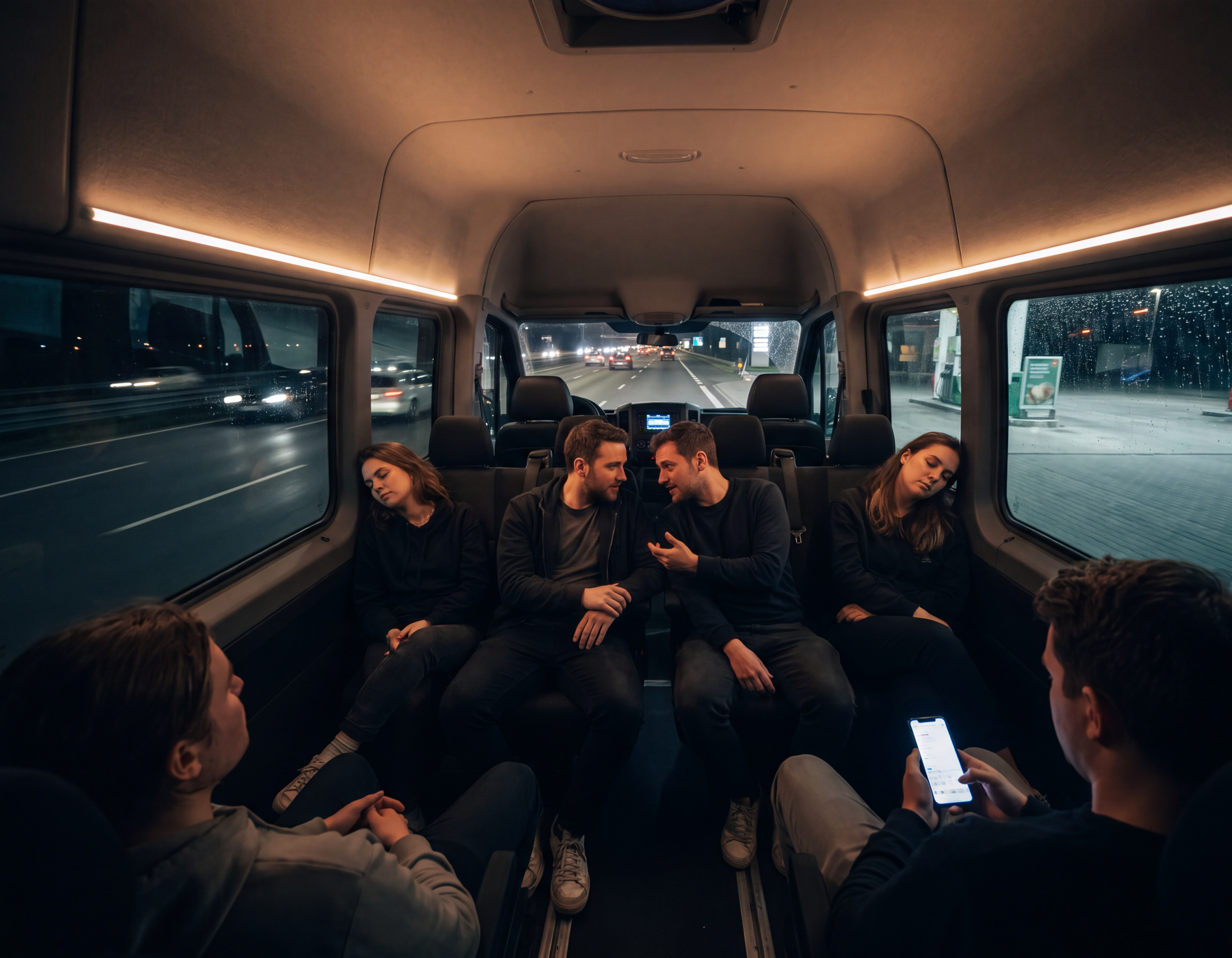
Use one accountable booking path
A complete request includes the service date, all addresses, event start and finish targets, rider count by stop, luggage, vehicle preference, return windows and the organizer’s contact details. If some facts are pending, label them as pending rather than guessing. Chauffeuropolis can then identify what is firm, what affects price and what must be confirmed before booking.
The actionable next step is the booking form. It creates a single record for the request and gives the team the details needed to return a fixed quote. A social message can start a conversation, but it is a poor master record for a multi stop event. Use the booking record as the source, then document approved revisions against it.
Before payment or final commitment, read the quote as an itinerary. Check dates, addresses, vehicle class, passenger assumptions, pickup windows, waiting, return service, taxes and gratuity. The cheapest error to fix is the one caught before dispatch. The finished transportation plan should be plain enough that a person who missed every planning call can still understand where each vehicle goes and when.
A strong wedding guest transportation plan also has a fallback that remains truthful and bookable. Keep the backup narrow: a secondary contact, a documented late passenger rule, and authority to approve an added movement if the original pattern breaks. Do not promise that every disruption can be absorbed at no cost. The useful promise is that responsibility and communication are clear when a decision must be made.
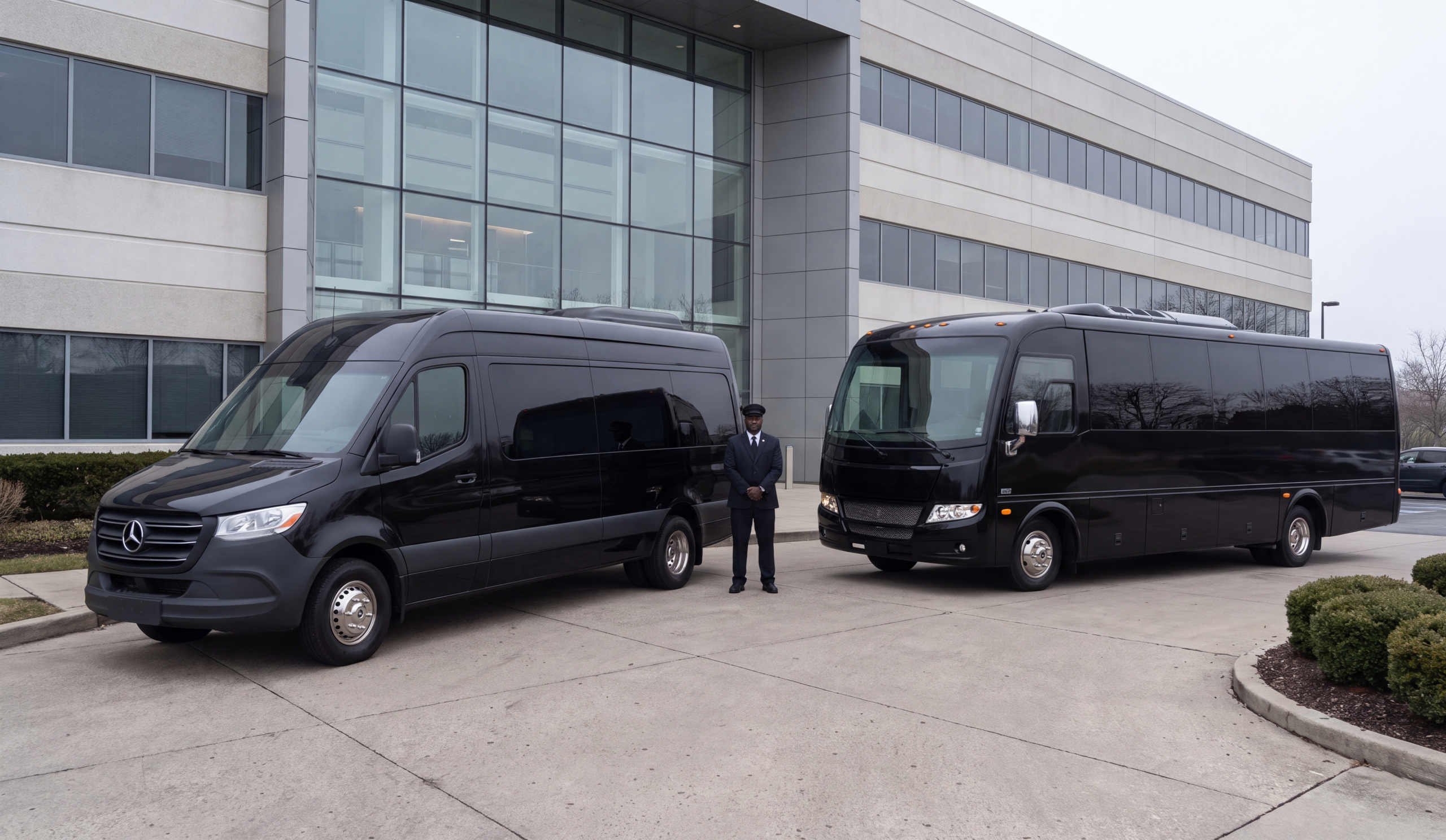
Match the cabin to the movement
Small group
Escalade, Navigator, Yukon or Suburban for focused movements with passenger and luggage limits checked together.
Sprinter group
Regular or Executive Sprinter for up to fourteen passengers and fourteen suitcases. LUX Sprinter for up to ten passengers and six suitcases.
Larger group
Mini coach for up to twenty seven or coach for up to fifty six passengers, subject to the confirmed itinerary.
Plan before the event day
How is transportation to CJ Country Events priced?
It is quoted from the complete itinerary because the Rockwood venue is outside the GTA. Origins, stops, service date, vehicle, waiting and return pattern can affect the fixed quote. Published GTA hourly figures are reference points only. HST at thirteen percent and gratuity of fifteen to twenty percent apply.
Can guests be collected from more than one hotel?
Yes. Send every hotel address and the rider count at each location. The quote can compare a combined loop with separate vehicles. Concentrated pickups usually create a cleaner plan than scattered individual stops.
Can you pick up guests in Toronto?
Yes. Toronto origins can be included in the itinerary. No standard travel time is promised because the date, pickup location, traffic and stop pattern vary.
Can you arrange Toronto Pearson airport pickups?
Yes. Provide airline, flight number, arrival date, passenger mobile number and luggage count. Separate flights may require separate vehicles or an agreed consolidation window.
Is Guelph a practical shuttle base?
It can be when guests are staying near one or two pickup points. The actual hotel addresses and rider counts determine whether a loop or separate vehicles makes more sense.
What is the CJ Country Events address?
The verified address is 5725 Sixth Line, Rockwood, Ontario N0B 2K0. Confirm property specific arrival instructions with the venue or planner for your date.
How many passengers fit in a Regular Sprinter?
The public fleet listing is up to fourteen passengers and fourteen suitcases. Special luggage, dresses, mobility equipment, gifts and production gear should be disclosed before assignment.
How many passengers fit in an Executive Sprinter?
The public fleet listing is up to fourteen passengers and fourteen suitcases. The exact vehicle choice still depends on the group and itinerary.
When does a LUX Sprinter fit?
The LUX Sprinter is listed for up to ten passengers and six suitcases. It suits a smaller group seeking a lounge style cabin, subject to the actual baggage plan.
Do you have vehicles for more than fourteen guests?
Yes. Public options include a mini coach for up to twenty seven passengers and a coach for up to fifty six passengers. Multiple vehicles can also serve different pickup or return windows.
Can we schedule an early and a late return?
Yes. Include the estimated rider count and destination for each return wave. The quote will reflect the vehicles and service time required.
Can one vehicle make repeated hotel loops?
Potentially. Loop feasibility depends on distances, timing, rider count and how long guests would spend aboard. A fixed quote can compare the loop against separate movements.
Do you publish a fixed fare for this venue?
No. Exact CJ Country Events service is quoted by itinerary. A GTA hourly reference does not become a venue fare.
What taxes and gratuity apply?
Published prices are plus thirteen percent HST and gratuity of fifteen to twenty percent. The quote should show the applicable amounts for the selected service.
Can the wedding party travel separately from guests?
Yes. Put the wedding party movement and guest movement on separate lines with their own times, addresses, passenger counts and luggage notes.
Can you transport corporate groups to the venue?
Yes. Provide the office, hotel or airport origins, attendee count, equipment and return requirements. Name one organizer who can approve changes.
What details are needed for a quote?
Send the date, full addresses, desired arrival, pickup windows, riders at each stop, luggage, vehicle preference, return plan and primary contact.
How should guests receive pickup instructions?
Send one approved message with the vehicle type, exact meeting point, boarding window, departure time and contact number. Use the same wording on every channel.
Can a guest add an extra stop on the day?
Only after the organizer and dispatch approve it. An extra stop can affect price, timing, duty limits and other passengers.
Does Chauffeuropolis control venue parking or access?
No. Property access, parking, holding and unloading instructions come from CJ Country Events for the specific event. Chauffeuropolis follows the confirmed directions.
What happens when a flight is delayed?
Dispatch can use the flight details to follow the arrival, but the organizer should preselect what happens if a shared pickup can no longer wait. A material service change may change the quote.
Where do I start the booking?
Use the Chauffeuropolis booking form with the itinerary details. The team will review the movement and confirm the fixed quote before booking.