

CHAUFFEUROPOLIS / ONTARIO JOURNAL
Sarnia bound: a Toronto transfer to The Insignia Hotel
Toronto and Pearson departures to The Insignia Hotel, with the return planned around your stay.
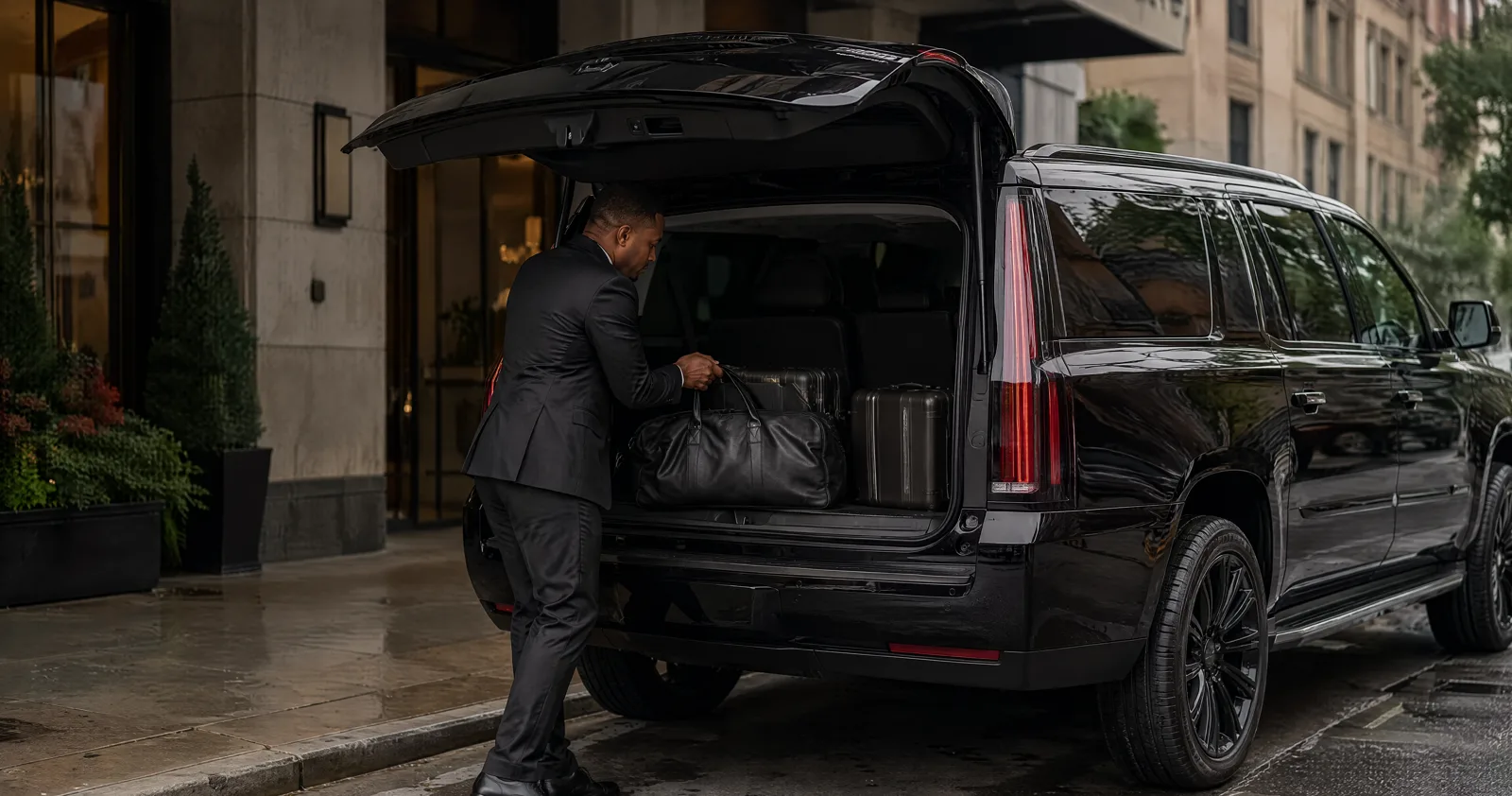
What to budget for the transfer
Start with these approximate one-way budgets, then book online using your pickup, travel date and passenger details. If the vehicle or itinerary is not offered online, contact us for that arrangement.
| Vehicle | Passenger capacity | From YYZ, one way | From downtown Toronto, one way |
|---|---|---|---|
| Sedan | 2 to 3 passengers | Approx. $450 to $625 | Approx. $475 to $650 |
| SUV | Up to 6 passengers | Approx. $725 to $1,000 | Approx. $750 to $1,050 |
| Cadillac Escalade | Up to 6 passengers | Approx. $1,000 to $1,375 | Approx. $1,050 to $1,450 |
| Sprinter | Up to 14 passengers | Approx. $1,250 to $1,725 | Approx. $1,325 to $1,825 |
All amounts are CAD, plus 13% HST and 15% to 20% gratuity. Luggage, stops, waiting, tolls and vehicle selection can affect the total. Passenger capacity does not override property occupancy or access limits.
The YYZ ranges are planning estimates based on our published London rates and the approximate road-distance difference. Downtown Toronto ranges are estimates using Union Station as the reference pickup, not published flat fares. Allowance ranges are not a guarantee of the final price. See our current rates.
Google Maps puts the driving distance at approximately 275 km from YYZ and 290 km from Union Station to the destination. Distances depend on the route selected; some routes use toll roads. Enter the exact address for your booking.
For larger groups, the published out-of-town starting price for a 27-passenger mini bus is $1,000, plus tax and gratuity. This is a fleet starting price, not a fare for this destination. Check the price for your dates and route; larger coaches are priced for the itinerary.
The table covers one outward journey. Add the return when booking if you need both directions; these amounts do not include a driver staying with you or local trips during your visit.
A Toronto or Toronto Pearson group travelling to The Insignia Hotel in Sarnia should book the outward journey and return together, with the vehicle chosen around passengers, luggage and the hotel’s confirmed unloading arrangements. The hotel lists its address as 283 Christina Street N., Sarnia, Ontario. Request an out-of-town, distance-based quotation for the actual itinerary rather than applying a Toronto hourly rate to the trip.
The interesting part of this visit happens after everyone gets out of the vehicle. The Insignia combines a hotel stay with meeting space, an Italian restaurant and a lounge. That gives a group several reasons to arrive together, but it also creates different deadlines: a meeting host needs preparation time, dinner guests need time to change, and overnight visitors need a plan for their bags.
This article follows those decisions from Toronto or YYZ to the hotel and back. It does not describe a Sarnia-based local car service. Hotel reservations and Chauffeuropolis transportation are separate bookings, and no hotel partnership or endorsement is implied.
On this page
- Choose the journey before choosing the Sprinter
- What makes an Insignia stay different
- Turn the hotel programme into an arrival time
- Start the Toronto departure at one usable address
- Pearson arrivals need a separate boarding plan
- Match the cabin to a hotel stay, not just a headcount
- Use the restaurant and lounge as real appointments
- Confirm the final handover on Christina Street N.
- Build the return around the next obligation
- Write the quote request around the complete itinerary
- Give guests one final travel note
- Questions about travelling to The Insignia Hotel
Choose the journey before choosing the Sprinter
A Sprinter is an option to discuss, not a complete specification. Seating layouts, space behind the seats and the amount of luggage a group brings can change the practical fit. Start with a passenger list and a bag count, then ask for a vehicle recommendation against that load.
The same party may need a different arrangement on the way home. Some guests might return to Toronto while others need Pearson, or a meeting speaker might leave before the rest of the delegation. Resolve that split before requesting a single round-trip vehicle. A shared outward departure does not require everyone to share the same return.
| Arrangement to discuss | People and luggage | Access or schedule question | Quotation basis |
|---|---|---|---|
| Private car or SUV | Smaller party with luggage that fits the specified vehicle | Confirm boarding needs and hotel handover point | Out-of-town distance quote for each movement |
| Sprinter or passenger van | Group sharing one departure, with every suitcase and additional item declared | Confirm actual seating, baggage provision and permitted unloading | Distance-based itinerary quote with agreed stops |
| Mini bus or coach | Larger party whose passenger and equipment load needs another vehicle class | Hotel must confirm access, unloading, turning and waiting arrangements | Full outward and return itinerary, not an assumed local hourly rate |
| Separate dated transfers | Overnight stay without a need for a waiting vehicle | Book the return date, pickup time and passenger list explicitly | Written round-trip quote identifying both movements |
| Split airport and Toronto returns | Travellers with different destinations or flight deadlines | Decide which passengers belong on each vehicle | Quote each route and any agreed intermediate stop |
Vehicle capacity does not establish hotel occupancy, restaurant seating or meeting-room capacity. Those are separate questions for the property. Nor does the presence of hotel parking establish that a larger vehicle may unload, wait or remain overnight there.
The group transportation page covers the broader service enquiry. The decisions here are specific to an Insignia visit: arrival before a hotel programme, dining reservations, overnight luggage and a return journey across Ontario.
What makes an Insignia stay different
The hotel’s official website describes a property originally built in the 1960s and subsequently renovated. It identifies The Insignia as a Tribute Portfolio hotel and lists 84 rooms, meeting and event space, The Little Sparo restaurant and Regner’s Tudor lounge. Those details explain why a group might build an overnight visit around the property rather than treating it as a roadside stop.
The room count is a description of the hotel, not a promise that a block of rooms is available. Ask about your dates and the room types the party needs. A transport booking should use the number of people actually travelling, which may differ from the number on the accommodation reservation if some guests arrive independently.
There are small details worth noticing. The hotel says its guestrooms feature an artistic map of Sarnia, while historic images appear in the lobby wallpaper. These are references to the city rather than generic hotel decoration. For an organizer welcoming colleagues who have never visited Sarnia, the property offers a setting with some local context before the first meeting starts.
The hotel’s history and dining information do not establish current opening hours, menus, room availability or event terms. Confirm the parts of the stay that matter to your schedule directly. The useful transport question is then precise: when must this group reach reception, and what must they do before their first commitment?
Turn the hotel programme into an arrival time
“Arrive for dinner” can mean several different things. Guests staying overnight may want to check in, take bags upstairs and change before they meet at the restaurant. Visitors coming only for a gathering may be ready to go straight to their reserved space. Do not give both groups the same reporting instruction without checking their plans.
Work backwards from the first confirmed booking. Identify the time guests need to be seated or ready, allow for the hotel tasks that precede it, then discuss a road departure window with the transport provider. Keep the arrival buffer separate from the driving estimate so it does not disappear when someone shortens the schedule.
A meeting host should also identify what needs to arrive with the passengers. A laptop bag is different from presentation cases, printed materials or boxes for attendees. If one person must enter early to set up, decide whether the whole group will arrive early or whether that person needs a separate journey. The vehicle should not become an improvised storage room while the host negotiates access.
Hotel check-in is another independent clock. An early arrival is not evidence that rooms will be ready. Ask the hotel about the actual check-in arrangements and whether it can accept bags before rooms are available. Until that is confirmed, avoid promising guests that they can leave their luggage and immediately begin a planned activity.
Start the Toronto departure at one usable address
A clear Toronto collection point can remove several rounds of messages on travel day. Give guests the building name, exact address, meeting location and time they should be ready. Separately state the vehicle’s planned departure time. Someone still checking out of a city hotel has not yet joined the group, even if their suitcase is already downstairs.
The pickup location must work for the proposed vehicle. Ask the building contact and transport provider where boarding can take place without relying on a loading space that may be unavailable. A photograph of an entrance is useful context, but it does not grant permission to stop there.
Multiple collections deserve a deliberate choice. Collecting guests from several Toronto addresses can be convenient for individuals, while a single departure lets the organizer check the passenger list once. Compare the actual addresses rather than assuming that every additional stop is brief. The first stop also needs enough room for the group’s bags, not just the first passenger’s suitcase.
Choose one lead traveller who can answer messages and confirm when everyone is present. If guests are travelling to the meeting point independently, share that person’s contact through the private trip message rather than a public event page. The driver needs an operational contact, not a list of sensitive hotel or travel details distributed to everyone.
Decide about food and comfort stops before departure. If the party needs a stop, include it in the itinerary so the arrival plan reflects it. A direct transfer should not quietly turn into a sightseeing route or a series of errands once the vehicle is underway.
Pearson arrivals need a separate boarding plan
A flight arrival time is not a vehicle departure time. Passengers still need to complete the relevant airport formalities, collect bags and follow the pickup instructions on their transport confirmation. Send the airline, flight number, arrival date and a contact who will be reachable after landing.
For a delegation arriving on several flights, decide whether travelling together is worth the wait. A single vehicle works best when the group’s readiness windows are reasonably compatible. If one flight arrives much later, ask for separate transfer options rather than making the first arrivals commit to an open-ended wait before continuing to Sarnia.
Keep the distinction between a delay and a change of plan. A late flight requires communication under the booking’s delay terms. A traveller deciding to stay in Toronto first changes the passenger list and possibly the route. Both need to reach the transport provider, but they are not the same operational problem.
The group should report its actual readiness. If a passenger is still dealing with missing luggage, the party is not fully ready to leave, even when most bags have been collected. Agree who contacts the provider and what happens if some guests prefer to continue separately. Waiting charges and revised pickup terms must come from the accepted quotation, not assumptions made in this article.
Do not promise a restaurant reservation immediately after an uncertain airport arrival. For a YYZ group, a flexible first evening at the hotel may be easier to manage than a tightly timed programme. Ask the hotel which reservation arrangements it can actually offer before presenting flexibility as part of the stay.
Match the cabin to a hotel stay, not just a headcount
Overnight luggage is easy to understate. An organizer may count suitcases while overlooking carry-ons, garment bags, work equipment or a folded mobility aid. Ask every passenger what they will bring, and identify items that cannot be stacked or compressed.
A cabin photograph cannot answer that question. The accepted vehicle specification should explain how the declared load will fit while keeping seats, aisles and exits usable. If a group is near the practical limit, compare a different vehicle or a different seating arrangement before collecting everyone’s payment.
Business travellers may want access to a small bag during the drive. Keep essential documents, medication and valuables with their owners rather than burying them beneath the shared load. At the same time, avoid turning the passenger area into loose storage. Discuss safe placement with the transport provider.
Boarding needs should be raised before a vehicle is selected. Ask specifically about steps, assistance, mobility equipment and any requirement to remain seated in a wheelchair. The name Sprinter does not establish accessible equipment or a suitable boarding arrangement. A folding aid and an occupied wheelchair require different conversations.
Children also belong in the original enquiry. Provide ages and ask what restraint arrangements are required for the actual vehicle and journey. Do not infer that the seating arrangement pictured on a fleet page meets every family’s needs.
Use the restaurant and lounge as real appointments
The Insignia’s website identifies The Little Sparo with Italian dining and describes Regner’s Tudor lounge as a place for drinks and bites. These give an overnight group options within the hotel’s published offering, but they are not transport inclusions or guaranteed group reservations.
Book the meal separately and give the restaurant an accurate party size. Ask about any dietary requirements, menu arrangements and timing that affect the visit. The transportation passenger list may include people who are not joining dinner, so copying it into a table reservation without checking can produce the wrong count.
For guests travelling from Toronto just for a gathering, the return departure deserves attention before the first course. A fixed return can suit a structured meal if the restaurant knows the timing. A more open-ended evening needs a transport arrangement that explicitly accommodates the expected finish, including any agreed waiting, rather than assuming the driver can stay indefinitely.
An overnight group has another option: finish the evening at the hotel and return the next day. That changes the transport booking into dated movements and removes the need to hold the same vehicle nearby unless the quotation says otherwise. It does not guarantee late checkout or breakfast arrangements; those remain hotel questions.
The lounge should not become the default meeting point for every departure. Some passengers may not be using it, and a vehicle departure requires everyone to have collected their bags. Pick a final assembly point with the hotel and communicate it to the whole party.
Confirm the final handover on Christina Street N.
The hotel’s published address is 283 Christina Street N., Sarnia, ON N7T 5V4. Put that address on the enquiry and confirm the arrival instructions with the property. The street address identifies the destination; it does not identify a permitted bus bay or a place where a chauffeur can wait.
Ask the hotel where the proposed vehicle should unload, whether the entrance is suitable for the party’s boarding needs, and where guests should report. For a larger vehicle, access, turning and waiting arrangements need explicit confirmation. Do not book a coach based solely on a map view of the surrounding streets.
The handover should have an end. Once passengers and bags have been accounted for, the organizer can release a transfer vehicle in line with the booking. If the vehicle is retained, confirm where it may wait and how the group will contact the driver. Hotel parking and transport waiting time are not interchangeable permissions.
A simple arrival check helps: count passengers, count the labelled bags and equipment, then confirm that nothing remains in the cabin. This matters when a group has similar dark suitcases or shared presentation materials. Discovering a missing item after the vehicle leaves can disrupt the start of the hotel programme.
Build the return around the next obligation
A return to downtown Toronto and a return to Pearson have different priorities. A city-bound group needs the correct final addresses and an agreed sequence of stops. A flight-bound group needs a hotel departure planned backwards from the airline’s current airport reporting requirements, with road and boarding allowances discussed for that date.
Do not use the outward drive as a promise for the return. The departure window, road conditions and destination may differ. Ask for a fresh timing recommendation for the return movement and keep time for collecting luggage, settling hotel accounts and assembling passengers before the scheduled vehicle departure.
For mixed groups, compare a shared journey with an airport stop against separate returns. A single vehicle may suit compatible schedules; it may be a poor fit when one traveller’s flight forces everyone else to leave much earlier. The quote should identify the actual route and sequence rather than simply saying “return to Toronto.”
Choose the return contact before the outward journey. The person who organized the trip may stay longer or leave by another method. Whoever remains with the group needs the transport confirmation, passenger list and instructions for reporting changes.
If the programme overruns, contact the provider as soon as the change becomes clear. Do not tell guests that the vehicle will wait without checking the accepted terms. Driver scheduling, subsequent commitments and the agreed service window can all affect what is possible. An extension is a request, not a presumed inclusion.
Write the quote request around the complete itinerary
Out-of-town service should be quoted for the distance-based itinerary, with the proposed vehicle and any waiting or additional movements stated. This article gives no current fare because the trip details determine the enquiry and a live rate has not been established here. A Toronto hourly figure is not a reliable substitute.
Send the dates, exact Toronto pickup address or YYZ flight details, hotel arrival deadline, passenger count and luggage description together. Add the return destination and timing, any planned stop, boarding requirements and whether the group expects the vehicle to remain available during the stay.
Ask the written quotation to state what is included and what may be charged separately. Taxes, gratuity, tolls, parking, waiting, extra stops and changes should be addressed where applicable. Do not assume that a low headline amount includes everything the group expects, or that a room booking includes transportation.
Before acceptance, compare the quote with the hotel programme line by line. A correct date with the wrong departure address still produces the wrong trip. A vehicle matched to the outward bag count may not suit a revised return party. Make corrections before the confirmation becomes the document everyone follows.
Use the quote enquiry for an itinerary that still needs review, or the booking page to enter the trip details. Neither replaces the hotel’s room, dining or event confirmation.
A room block and a transport booking can change on different schedules. Keep a dated passenger list rather than assuming that the latest hotel rooming list is also the latest travel list. A colleague sharing a room may arrive independently, while a dinner guest might ride back to Toronto without staying. Ask the organizer responsible for each booking to reconcile those differences before the final confirmation.
The hotel website also links to a separate shuttle provider. That is worth distinguishing from this private charter enquiry: a link does not tell you whether a particular airport, departure time or group size is covered. If comparing options, ask each provider the same questions about the route, private versus shared travel, luggage and return availability. Compare confirmed services, not the word shuttle on a webpage.
For a company visit, share the meeting’s actual finish with whoever books the return. A published agenda can end before guests collect coats, retrieve stored luggage or settle incidental charges. If the final session includes discussion, agree who is authorized to tell the group it is time to leave. Protecting the return departure is easier when the meeting host and trip organizer use the same clock.
There is no need to distribute the full rooming list to accomplish this. A transport contact needs the travelling passengers and relevant pickup information, not every guest’s room number or private reservation correspondence. Keep the hotel administration separate from the concise instructions sent to the driver and passengers.
Give guests one final travel note
The final message should be shorter than the planning conversation. Guests need the meeting point, assembly time, departure time, luggage expectations and reachable trip contact. They also need to know whether the first stop at The Insignia is reception, a meal or a meeting.
Include the return arrangement in the same note. Specify the date, where the group assembles and whether passengers are travelling to Pearson or a Toronto address. If there are separate returns, name the applicable group privately so nobody boards the wrong vehicle or leaves a suitcase with the wrong party.
Keep uncertain details out of the guest message until they are confirmed. “Hotel unloading point to follow” is more honest than a pin selected without permission, but it must be resolved before travel. The organizer’s task is to turn open questions into clear instructions, not pass a chain of conflicting messages to the passengers.
Questions about travelling to The Insignia Hotel
Where is The Insignia Hotel?
The hotel lists 283 Christina Street N., Sarnia, Ontario, N7T 5V4 as its address. Confirm the unloading point separately with the hotel for the vehicle you intend to book.
Can a group travel from Toronto Pearson to The Insignia together?
A shared private transfer is an option to request when flight arrivals, passengers and luggage fit one vehicle and departure window. Supply every flight number and confirm the airport pickup instructions rather than treating landing time as boarding time.
Is a Sprinter always the right vehicle?
No. The right vehicle depends on the actual passenger count, luggage, boarding needs and confirmed hotel access. Ask for the seating and baggage specification of the proposed vehicle rather than relying on the model name.
Does the hotel have its own shuttle arrangement?
The hotel’s website includes a Shuttle Service link to a separate provider. That listing does not establish the route, fare, timetable or availability for your dates, and it does not identify Chauffeuropolis as the hotel’s shuttle partner. Ask the hotel directly if you want information about that option.
Can the vehicle remain at the hotel during our stay?
Only if retained service and a permitted waiting arrangement are confirmed. An outward transfer does not automatically reserve a vehicle for dinner, an overnight stay or the following morning.
Are dinner and meeting bookings included in the charter?
No hotel, restaurant or meeting reservation is established by a transportation enquiry. Arrange those directly with the property and then use the confirmed programme to set the transport arrival and departure requirements.
How should we plan an Insignia-to-YYZ return?
Plan backwards from the airline’s current airport reporting requirements and confirm a hotel departure window for the actual date. Include time for bags and boarding, and make the return booking explicit rather than assuming the outward driver will remain nearby.
What determines the quote for this trip?
Request an out-of-town, distance-based quotation for the full itinerary. Passenger and luggage fit, dates, stops, waiting and separate return movements need to be stated, with inclusions and possible extra charges explained in writing.
Does the hotel’s room count tell us how large an event can be?
No. The hotel’s published 84-room count does not establish event capacity, available room inventory or restaurant seating. Confirm the proposed gathering and accommodation needs directly with the hotel.